
Creating a home office that is both relaxing and productive can significantly enhance your work-from-home experience. Whether you’re a freelancer, remote employee, or someone who occasionally works from home, having a well-designed workspace helps you stay focused and reduces stress. In this post, we’ll cover practical tips to create a comfortable environment that supports efficiency and tranquility.
1. Choose the Right Location
Selecting the best spot for your home office is the foundation of a productive workspace. If possible, find a quiet area with minimal foot traffic and distractions. Ideally, this space should have good natural light and enough room for your desk, chair, and any equipment you need.
Consider these factors:
– Away from noisy household areas (like kitchens or living rooms)
– Access to windows for natural daylight and fresh air
– Proximity to power outlets and internet connection points
2. Invest in Comfortable and Ergonomic Furniture
Sitting for long periods can impact your health and focus. Choosing ergonomic furniture can improve your posture and overall comfort.
Key furniture to consider:
– Ergonomic Chair: Adjustable seat height, lumbar support, and comfortable cushioning.
– Desk: A surface large enough to hold your computer, notebooks, and other essentials without feeling cluttered.
– Footrest: If your feet don’t comfortably reach the floor, a footrest can reduce strain.
3. Optimize Lighting
Proper lighting reduces eye strain and lifts your mood.
Tips for good lighting:
– Use natural light as much as possible during the day.
– Supplement with adjustable desk lamps or overhead lighting for evening hours.
– Avoid glare on your computer screen by positioning lighting thoughtfully.
4. Personalize Your Space with Calming Elements
Adding a touch of personality can make your office feel inviting and calm. However, it’s important not to overdo it to keep distractions minimal.
Ideas to create a relaxing atmosphere:
– Add plants for a bit of greenery—they improve air quality and reduce stress.
– Use calming colors on walls or decor, like soft blues, greens, or neutrals.
– Hang artwork or inspirational quotes that motivate you.
– Use a diffuser with subtle essential oils like lavender or eucalyptus.
5. Keep Your Workspace Organized
Clutter can cause stress and reduce productivity. Create systems to handle paperwork, supplies, and digital files.
Organizational tips:
– Use shelves, drawers, and containers to store items neatly.
– Keep your desk surface clean except for essentials.
– Use cable organizers to manage cords.
– Schedule time weekly to tidy and declutter your office.
6. Minimize Noise and Distractions
Noise can break concentration quickly. Find ways to minimize interruptions.
How to reduce noise:
– Use noise-canceling headphones or white noise machines.
– Close doors or install a room divider if your office shares space with others.
– Politely communicate work hours to household members.
7. Incorporate Movement Breaks
Spending hours seated can drain your energy and focus. Set reminders to stand up, stretch, or take a short walk. You might also consider a sit-stand desk or an exercise ball chair for variety.
8. Set Boundaries and Work Hours
Establishing clear start and end times for work helps maintain a healthy balance and boosts productivity during work hours.
Tips for boundary-setting:
– Define your work schedule and stick to it.
– Use visual cues, like closing your laptop or switching off your office light, to signal work time is over.
– Take regular breaks to rest your mind.
9. Incorporate Technology Wisely
Technology is essential for work but can also be overwhelming.
Suggestions:
– Use apps or tools that help you stay organized, like calendars, to-do lists, or focus timers.
– Keep your software and tools updated to avoid technical frustrations.
– Use dual monitors or an external keyboard/mouse if it helps your workflow.
10. Keep Hydrated and Nourished
Don’t forget the basics. Keep a water bottle nearby and have healthy snacks available. Staying hydrated and well-nourished supports concentration and energy levels throughout the day.
—
Designing your home office environment to balance relaxation and productivity is an ongoing process. Don’t hesitate to experiment with layouts, decor, and routines until you find what works best for you. With these tips, you’re on your way to creating a space that helps you do your best work while feeling calm and comfortable.
Related Posts
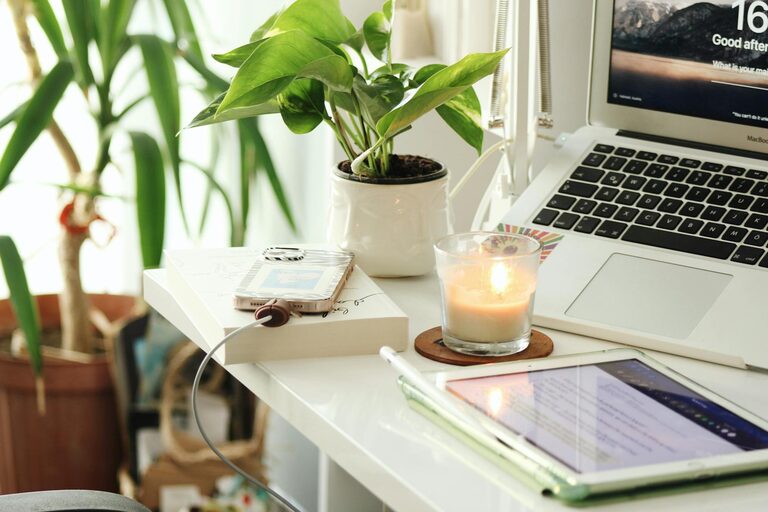
Tips for Creating a Cozy and Productive Home Office Space
Creating a cozy and productive home office is essential for…
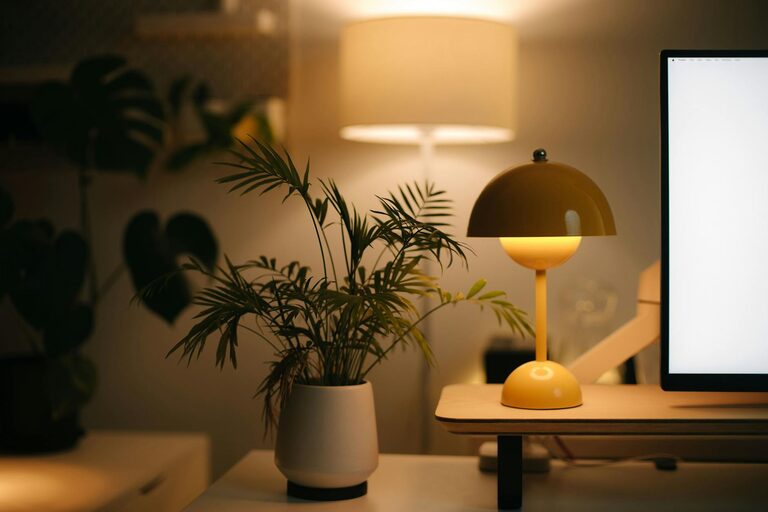
Tips for Creating a Cozy and Inviting Home Workspace
Creating a cozy and inviting home workspace can make a…
Tips for Creating a Cozy and Inviting Home Office Space
Creating a cozy and inviting home office is essential to…