
Creating a home office that is both cozy and functional can make a significant difference in your productivity and overall well-being. Working from home has become common, and having a dedicated space that feels inviting yet practical is key to staying focused without feeling stressed. Whether you have a small nook or a separate room, these tips will help you design an ideal home office that fits your needs.
Choose the Right Location
Selecting the right spot for your home office is the first step. Ideally, look for a quiet corner of your home with minimal distractions and good natural light. Avoid high-traffic areas where interruptions are frequent. If space is limited, consider a multipurpose room or even a section of your living room or bedroom that can be organized to serve as a workspace.
Invest in Comfortable and Supportive Furniture
Comfort matters. An ergonomic chair with good lumbar support helps prevent back pain and keeps you comfortable during long work hours. Pair it with a desk at the right height so your arms can rest naturally while typing. Adjustable desks that allow you to alternate between sitting and standing can also improve comfort and focus.
Optimize Lighting
Good lighting can reduce eye strain and boost your mood. Aim for a combination of natural and artificial light. Position your desk near a window where possible, but avoid glare on your computer screen. Use desk lamps with adjustable brightness for task lighting, especially if you work late into the evening.
Declutter and Organize
A cluttered space can hinder productivity and cause stress. Use shelves, drawers, and organizers to keep essentials within reach but out of the way. Label storage containers and files to find things quickly. Keep your workspace tidy by clearing unnecessary items at the end of each day.
Add Personal Touches for Coziness
To make your home office inviting, include personal elements such as artwork, plants, or photos that inspire you. A small indoor plant can improve air quality and add a touch of nature. Soft textiles like a cozy rug or a cushion can make your area feel warmer and more welcoming.
Use Functional Technology Setup
Ensure your technology set-up supports your work without causing frustration. Invest in a reliable computer, fast internet connection, and necessary peripherals such as a good keyboard, mouse, and headset. Cable organizers help keep wires neat and prevent tangling.
Manage Noise Levels
Noise can disrupt concentration. If your office space is noisy, consider noise-canceling headphones or white noise machines to block distractions. Adding soft materials like curtains, rugs, or upholstered furniture can also help absorb sound.
Maintain a Consistent Routine
Having a structured routine helps separate work from personal life. Set regular work hours and take breaks to stretch or rest your eyes. Use a timer or app to remind you to move periodically and avoid sitting for extended periods.
Keep Air Quality Fresh
Good ventilation and fresh air contribute to comfort and alertness. If your office doesn’t have windows, use an air purifier or add air-purifying plants. Make a habit of opening windows when possible to let fresh air circulate.
Tips for Small Spaces
If you’re working with limited space, prioritize multifunctional furniture like desks with built-in storage. Use vertical space by adding wall-mounted shelves. Choose light colors to make the area feel bigger and brighter. A fold-away desk can be a clever solution to save space when not in use.
Final Thoughts
Designing a home office that balances coziness and functionality helps create an environment where you can work efficiently and feel comfortable. By planning your space thoughtfully, investing in the right furniture and lighting, and personalizing your surroundings, you can build a home office that supports both your professional needs and well-being.
Remember, your workspace should reflect your habits and preferences, so feel free to adjust and improve it as you discover what works best for you.
Related Posts
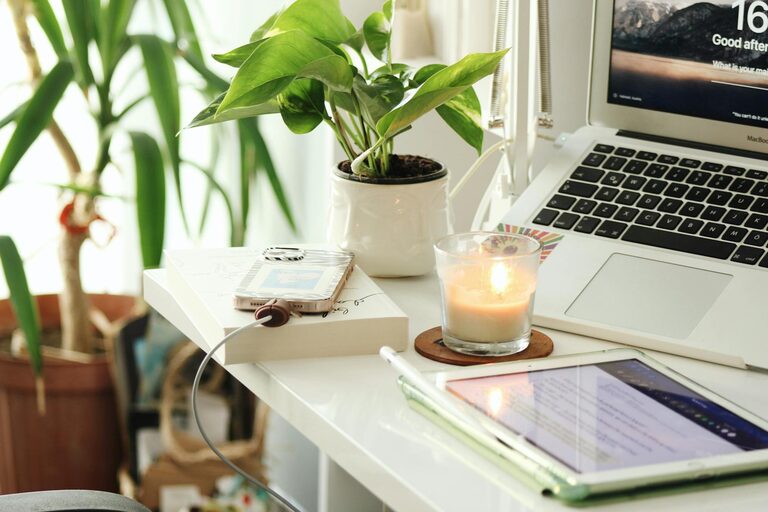
Tips for Creating a Cozy and Productive Home Office Space
Creating a cozy and productive home office is essential for…
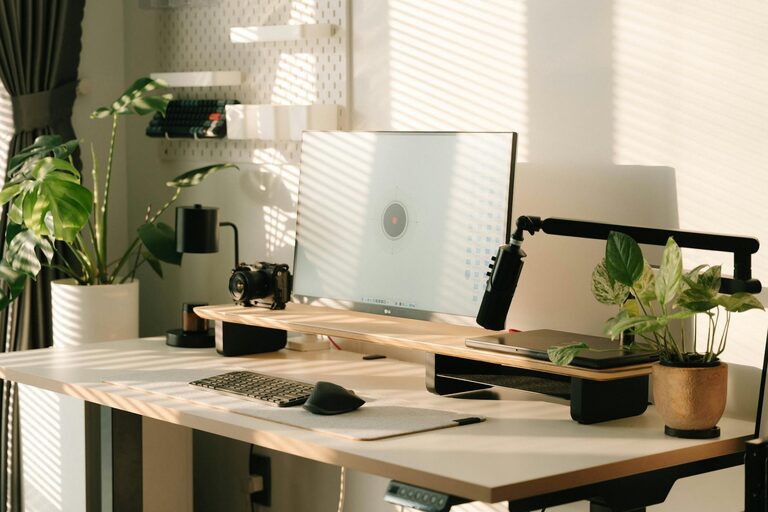
Tips for Creating a Cozy and Inviting Home Workspace
Creating a cozy and inviting home workspace can significantly improve…
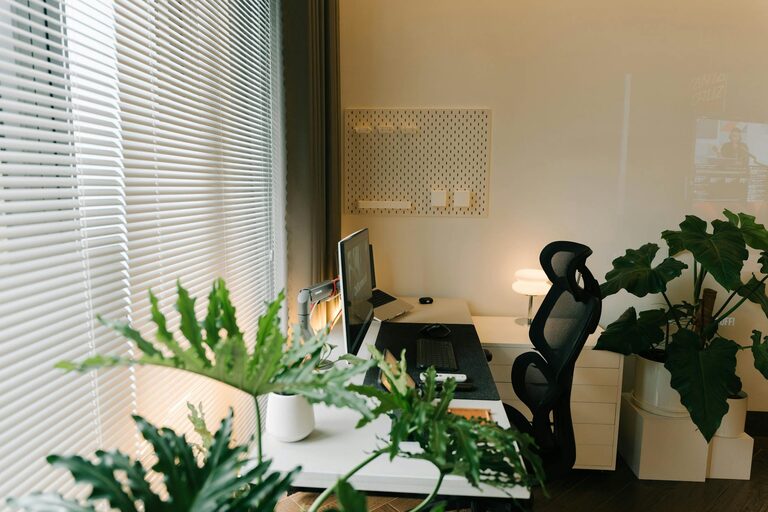
Tips for Creating a Relaxing and Productive Home Office Environment
Creating a home office that is both relaxing and productive…